
BLOG
What to Know Before Digging on Queensland Properties
Starting an outdoor project often begins with excavation. Whether installing a new fence, building a retaining wall, improving drainage or connecting new services, digging below ground should never be treated as a simple task. Underground infrastructure can be present on almost any property, even when there are no visible signs on the surface.
Across Queensland, residential growth, infrastructure upgrades and property improvements have resulted in increasingly complex underground utility networks. Understanding what may be beneath the ground before excavation begins helps reduce unnecessary risks and supports safer construction outcomes.
More Than Soil Lies Beneath the Surface
Many property owners expect to find only soil when digging on their land. In reality, underground infrastructure can include electrical cables, water pipes, sewer lines, stormwater drainage, gas services, telecommunications conduits and irrigation systems.
Some of these services may have been installed when the property was first developed, while others may have been added during renovations or previous landscaping projects. Older properties may also contain underground infrastructure that no longer appears on original plans.
Because underground services are often hidden, their location should never be assumed before excavation starts.
Common Projects That Require Careful Planning
Excavation is involved in many projects that homeowners may consider routine.
Installing fencing often requires post holes that extend below existing utility corridors. Retaining walls may involve deeper excavation near drainage or electrical services. New sheds, patios and swimming pools frequently require underground connections for power, water or stormwater management.
Even landscaping projects involving trees, irrigation or garden edging can disturb underground infrastructure if proper planning has not taken place beforehand.
Understanding the scope of the project helps determine whether underground services may be affected.
Why Underground Services Should Be Located First
Before excavation begins, underground services should be located and marked to provide a clearer understanding of where existing infrastructure is positioned.
Service locating uses available utility information together with specialised locating equipment to identify the likely position of buried assets. Where greater certainty is required, non-destructive vacuum excavation can safely expose underground services before larger excavation equipment is introduced.
This process helps contractors avoid unnecessary damage while allowing projects to continue with greater confidence.
Non-Destructive Excavation Has Practical Advantages
Traditional excavation methods are effective for bulk earthworks but may not be suitable when underground services are nearby.
Vacuum excavation uses high-pressure water to loosen soil while a vacuum removes the excavated material. This allows underground pipes, cables and conduits to be exposed carefully without relying on mechanical force.
The method is commonly used for utility investigations, potholing, trenching, service pit excavation and infrastructure maintenance where accuracy is essential.
Because excavation is highly controlled, surrounding landscaping and hard surfaces often experience less disturbance than conventional digging methods.
Queensland Conditions Can Influence Excavation
Ground conditions vary significantly across Queensland depending on location, weather and previous land use.
Heavy rainfall may soften soil or affect drainage, while rapidly growing residential areas often contain recently installed underground infrastructure. Established suburbs may include older services alongside modern utility upgrades, creating more complex underground environments.
Every excavation site should therefore be assessed individually rather than assuming conditions will be the same as nearby properties.
Planning Before Digging Reduces Unnecessary Problems
Successful excavation begins with preparation rather than equipment.
Understanding the project, identifying underground services, considering local site conditions and selecting the most appropriate excavation method all contribute to safer work. These steps help reduce delays, minimise disruption and protect essential infrastructure beneath the surface.
Whether the project involves a small residential improvement or larger construction work, taking the time to understand what lies below ground is one of the most practical decisions before excavation begins.


DISCOVER WHAT OUR CUSTOMERS HAVE TO SAY ABOUT US
REVIEWS
our process
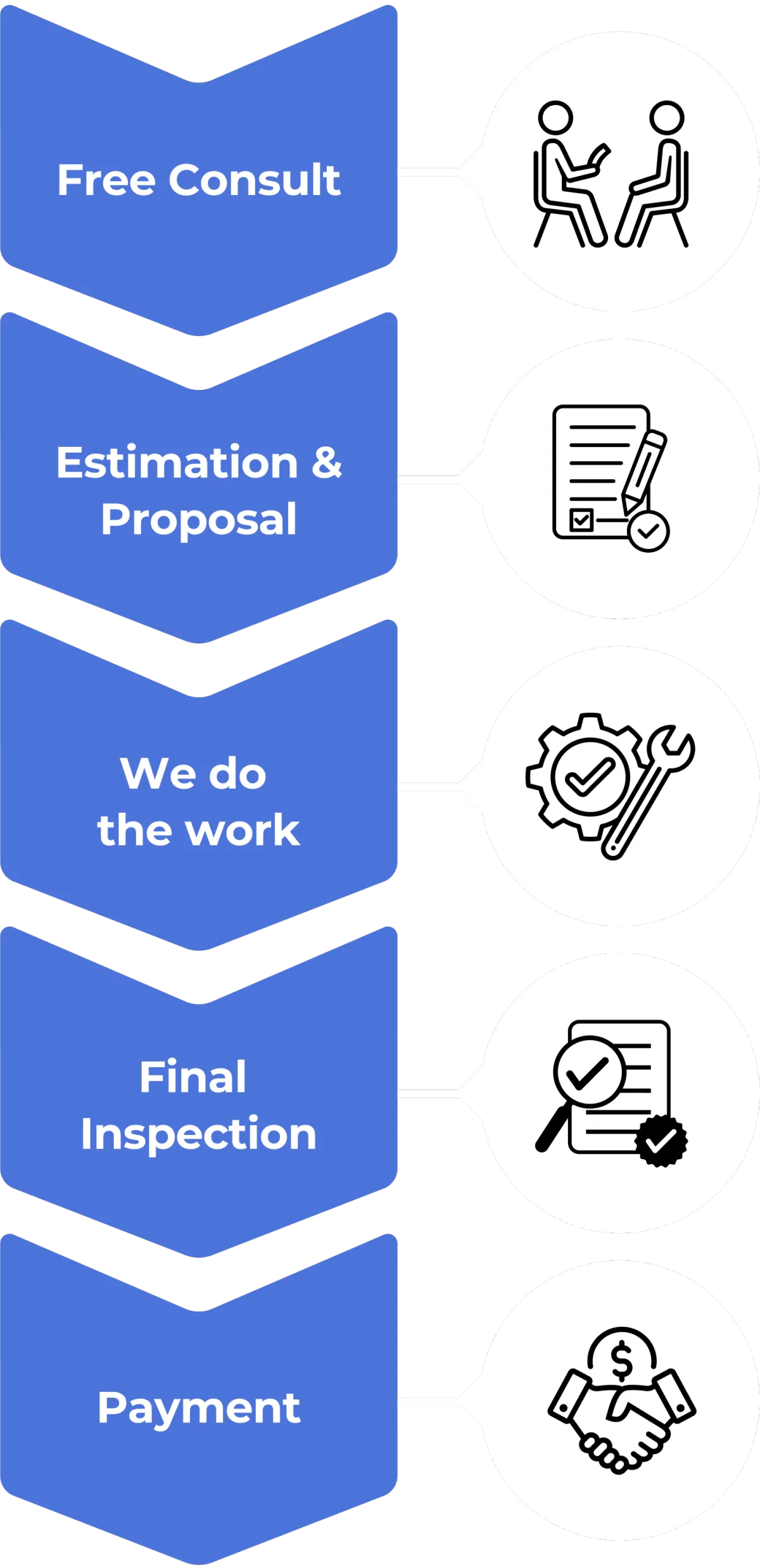
Our process is simple and only contains a few simple steps

NEED VACUUM EXCAVATION?
get a free quote TODAY!
Knights Vacuum Excavations
39 Muriel street Redland Bay