
BLOG
How Redland Bay Conditions Affect Safe Vacuum Excavation Projects
Redland Bay has changed significantly over recent years as new housing estates, road upgrades and community infrastructure have expanded across the suburb. While this growth has created new opportunities for development, it has also increased the complexity of excavation work. New underground utilities now sit alongside older infrastructure, while local ground conditions vary between established residential areas and newer developments.
Every excavation project is influenced by more than what is visible on the surface. Soil conditions, underground services, weather patterns and the location of surrounding infrastructure all play a role in determining how excavation should be planned and completed safely.
Residential Growth Has Increased Underground Infrastructure
As Redland Bay continues to expand, every new subdivision requires underground electrical cables, water mains, sewer networks, stormwater drainage, gas services and telecommunications infrastructure.
Each stage of development adds another layer of underground assets that future construction projects must work around. Even on residential properties, there may be multiple underground services installed within a relatively small area.
Many homeowners assume only the obvious utility connections exist beneath their property. In reality, there may also be drainage pipes, irrigation systems, communications conduits and previous service installations that are not immediately visible.
Before excavation begins, underground services should always be located and marked so work can proceed with a clearer understanding of existing infrastructure.
Coastal Conditions Can Influence Excavation Planning
Being located on the shores of Moreton Bay means Redland Bay experiences environmental conditions that differ from many inland suburbs.
Heavy rainfall can temporarily change soil stability and increase moisture levels below ground. Low-lying areas may also experience slower drainage following significant rain events, creating softer ground conditions during excavation.
Coastal environments can also expose underground infrastructure to higher moisture levels over time, making careful excavation particularly important when maintenance or repairs are required.
These conditions do not prevent excavation but they do reinforce the need for planning based on the specific site rather than assuming ground conditions will be the same across every property.
Older and Newer Infrastructure Often Exist Together
One characteristic of Redland Bay is the combination of long-established residential streets alongside rapidly developing housing estates.
Older neighbourhoods may contain underground utilities installed many years ago using construction methods and mapping standards that differ from current practices. Nearby developments may contain recently installed infrastructure that follows modern planning requirements.
This mixture means contractors cannot assume underground services will always be positioned exactly where expected. Service locating and non-destructive excavation provide additional confidence before mechanical excavation begins.
Where existing infrastructure must be physically confirmed, vacuum excavation allows buried utilities to be exposed carefully without relying on conventional digging equipment.
Property Improvements Create Additional Underground Services
Excavation is not only required during large construction projects. Many residential improvements also involve underground work.
Installing swimming pools, retaining walls, sheds, drainage systems, fences, irrigation, lighting and new utility connections often requires excavation close to existing services.
Over many years, properties may also receive additional improvements that create underground infrastructure not shown on original building plans.
Understanding what has been added to a property over time helps reduce the likelihood of unexpected discoveries once excavation begins.
Why Non-Destructive Excavation Suits Changing Conditions
Traditional excavation equipment removes soil quickly but cannot distinguish between soil and buried infrastructure before contact occurs.
Vacuum excavation approaches the task differently. High-pressure water loosens the soil while a vacuum system removes the excavated material, allowing underground assets to be exposed gradually and accurately.
This method is particularly useful where underground utilities are known or suspected to be present, or where surrounding landscaping, hard surfaces or nearby infrastructure should remain largely undisturbed.
Because only the required excavation area is opened, site restoration is often simpler once work has been completed.
Planning Before Digging Reduces Unnecessary Risk
Every excavation site presents different conditions, even within the same suburb. Soil type, previous construction, underground utilities, drainage systems and surrounding development all influence how excavation should be approached.
Planning ahead allows contractors to identify underground services, assess local ground conditions and determine the most appropriate excavation method before work begins.
As Redland Bay continues to develop, careful excavation planning remains one of the most effective ways to protect underground infrastructure while supporting residential, commercial and civil construction projects throughout the area.
DISCOVER WHAT OUR CUSTOMERS HAVE TO SAY ABOUT US
REVIEWS
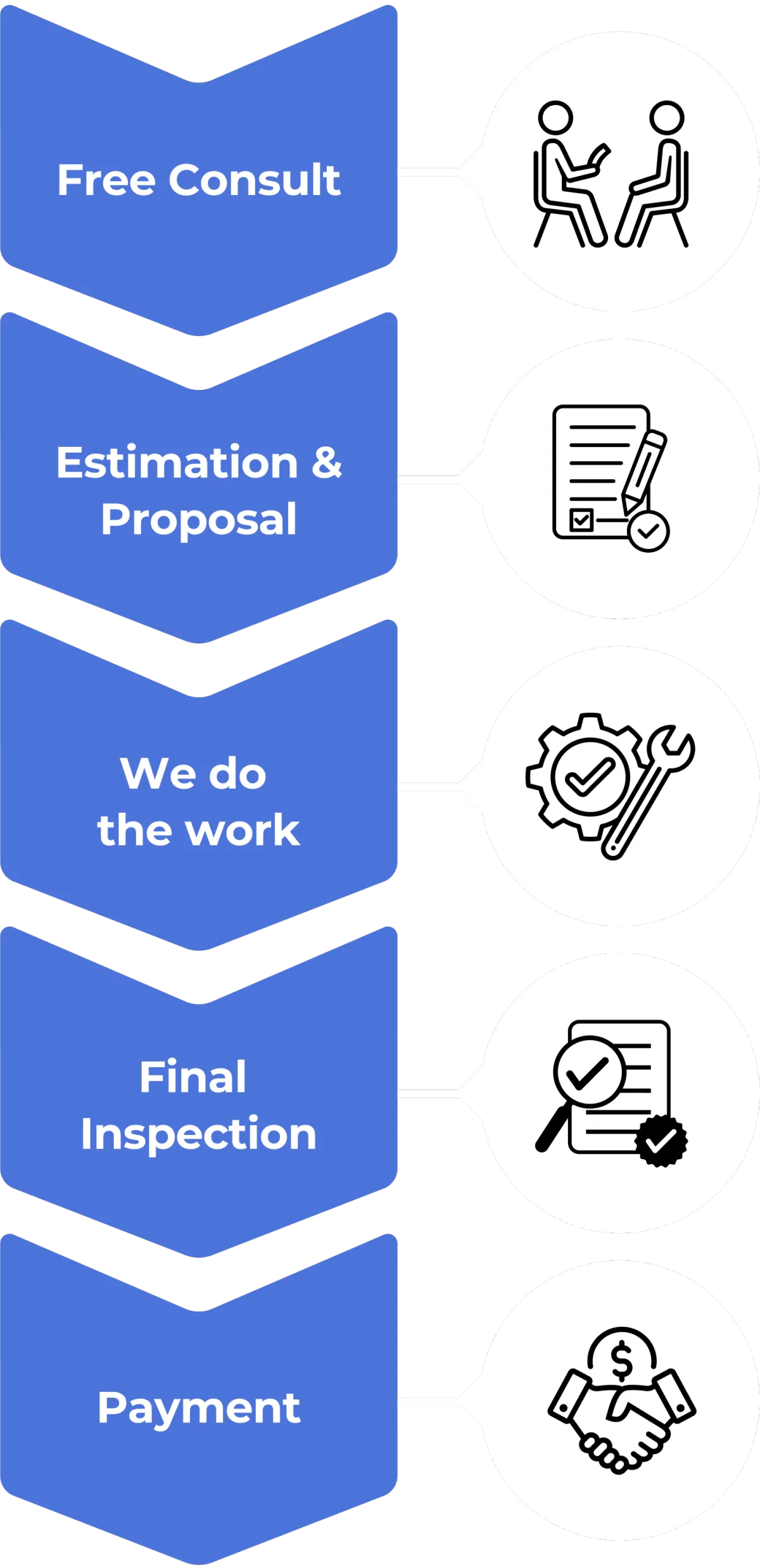
our process
Our process is simple and only contains a few simple steps

NEED VACUUM EXCAVATION?
get a free quote TODAY!
Knights Vacuum Excavations
39 Muriel street Redland Bay